
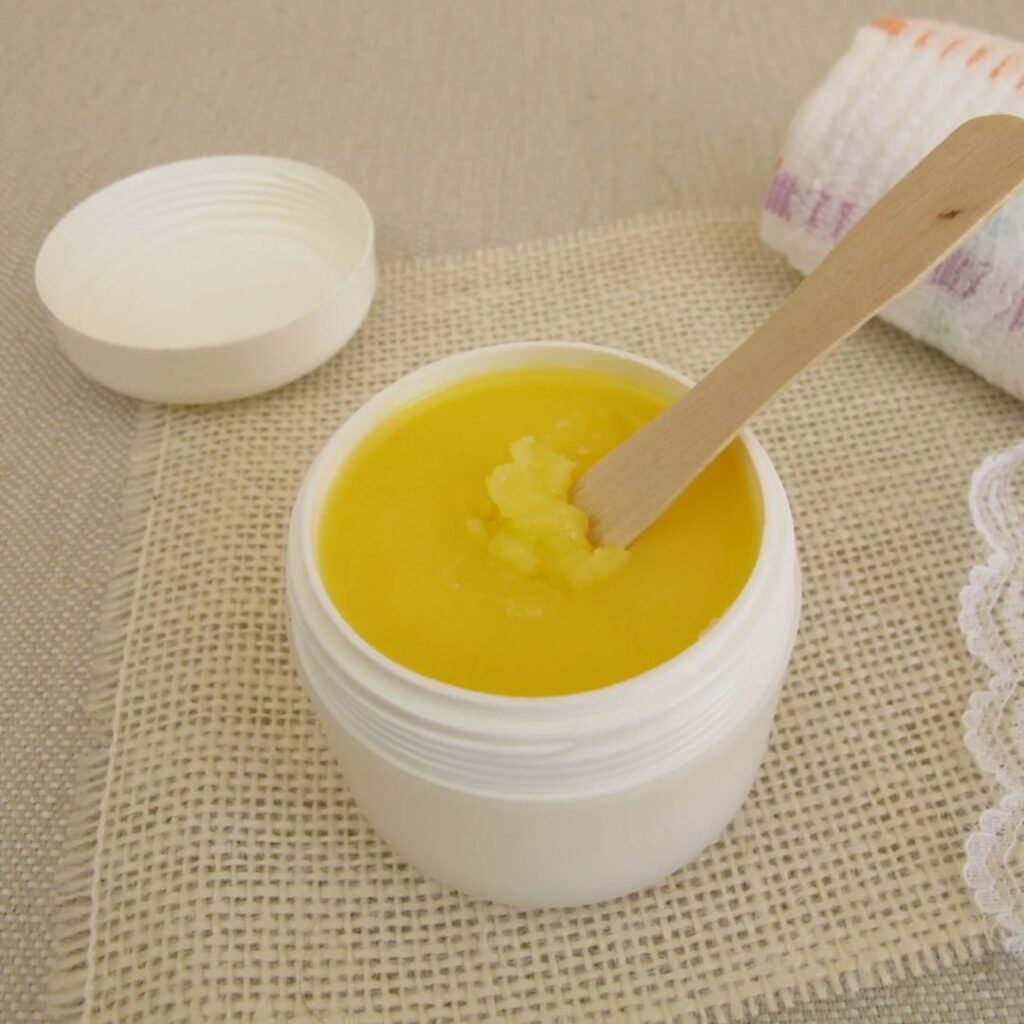
In recent years, natural and traditional skincare solutions have gained widespread popularity as people become more conscious of ingredient safety and long-term skin health. Among these remedies, ghee-based moisturizers have emerged as powerful alternatives to synthetic creams, offering deep nourishment, barrier repair, and long-lasting comfort. Rooted in Ayurvedic wisdom, ghee has been used for centuries to promote healing and rejuvenation.

As consumers increasingly seek the best ghee moisturizer to support hydration and skin resilience, it becomes essential to understand what distinguishes high-quality formulations from ordinary products. Not all ghee creams deliver the same benefits, and ingredient composition plays a crucial role in determining effectiveness.
In particular, products marketed as brightening ghee cream often combine traditional ghee with botanical extracts and vitamins to enhance clarity and radiance. Choosing the proper formulation requires careful evaluation of ingredient quality, processing methods, and compatibility with individual skin needs.
This article provides a detailed guide to selecting the ideal ghee moisturizer cream by understanding key ingredients, formulation principles, and practical considerations.
Why Ghee Is an Effective Base for Moisturizers
Ghee is a purified form of butterfat obtained through traditional clarification. This method removes water and milk solids, leaving a stable, nutrient-rich lipid base that is highly compatible with human skin.
One of the main advantages of ghee is its similarity to the skin’s natural oils. This allows it to integrate seamlessly into the lipid barrier, enhancing moisture retention and reducing dryness.
Ghee is rich in fat-soluble vitamins such as A, D, E, and K, which support cellular repair, antioxidant protection, and elasticity. These nutrients help strengthen the skin’s defense system and promote long-term resilience.
Additionally, ghee contains essential fatty acids that nourish deeper layers of the skin and improve flexibility. Unlike petroleum-based emollients that sit on the surface, ghee penetrates and supports internal balance.
These properties make ghee an ideal foundation for effective moisturizing formulations.
The Importance of Ingredient Transparency and Purity
When selecting a ghee moisturizer cream, ingredient transparency is one of the most important factors to consider. High-quality products clearly list all components and avoid unnecessary fillers or synthetic additives.
- Purity of ghee is particularly critical. The best formulations use clarified butter derived from grass-fed or A2 cow milk, which contains higher levels of beneficial nutrients. Poor-quality ghee may be contaminated with residues or processed using harsh methods that reduce its effectiveness.
- Processing techniques also matter. Traditional slow-heating and filtration methods preserve nutritional integrity, while industrial processing may degrade vitamins and fatty acids.
- Look for brands that disclose sourcing practices, manufacturing standards, and quality certifications. Transparent labeling reflects ethical practices and builds consumer trust.
- Avoid products with excessive artificial fragrances, parabens, sulphates, and mineral oils, as these can interfere with skin function and cause irritation.
Key Hydrating and Barrier-Supporting Ingredients to Look For
While ghee forms the foundation of the moisturizer, supporting ingredients determine how effectively it hydrates and protects the skin.
- Humectants such as glycerin, aloe vera, and hyaluronic acid attract water molecules and maintain hydration. These ingredients enhance ghee’s moisturizing capacity by preventing dehydration.
- Ceramides and plant-derived lipids strengthen the skin barrier by reinforcing cell cohesion. This reduces moisture loss and increases resilience against environmental stress.
- Natural oils like jojoba, almond, and argan oil provide additional nourishment and improve texture. They also enhance absorption and spreadability.
- Shea butter and cocoa butter offer emollient benefits that smooth rough patches and improve elasticity.
A well-balanced formulation combines these elements to deliver sustained comfort and protection.
Antioxidants and Brightening Agents for Skin Health
Antioxidants play a crucial role in preserving skin youthfulness and preventing premature ageing. When choosing a ghee moisturizer, look for ingredients that neutralize free radicals and support regeneration.
- Vitamin E is a powerful antioxidant that helps protect collagen and reduce inflammation. Vitamin C derivatives enhance brightness and support tissue repair.
- Plant extracts such as green tea, licorice, and turmeric provide anti-inflammatory and brightening benefits. These botanicals regulate melanin production and promote even tone.
- Rosehip oil and sea buckthorn extract are rich in essential fatty acids and carotenoids that enhance radiance and elasticity.
- Niacinamide, when used in low concentrations, improves barrier function and reduces pigmentation without irritation.
Together, these ingredients complement ghee’s nourishing properties and enhance overall skin vitality.
Texture, Absorption, and Formulation Balance
Texture and absorption are key indicators of a well-formulated ghee moisturizer. Heavy, greasy products may clog pores and feel uncomfortable, while overly light formulations may fail to provide adequate hydration.
A balanced ghee cream should have a smooth, creamy texture that spreads easily and absorbs within a few minutes. It should leave the skin soft and supple without excessive shine.
Emulsifiers and stabilizers used in the formulation should be mild and plant-based whenever possible. These components ensure consistency without compromising skin health. pH balance is another critical factor. Products formulated to closely match the skin’s natural pH (around 5.5) maintain barrier integrity and reduce sensitivity.
Testing texture and absorption through samples or trial sizes helps determine personal suitability.
Matching Ghee Moisturizer to Your Skin Type
Individual skin type plays a significant role in determining the effectiveness of any moisturizer. Selecting a formulation aligned with personal needs ensures optimal results.
- Dry skin benefits from richer creams with added butters and ceramides. These provide intense nourishment and prevent recurring flakiness.
- Sensitive skin requires fragrance-free and hypoallergenic products with minimal additives. Soothing extracts such as chamomile and calendula are beneficial.
- Oily and combination skin should opt for lightweight formulations with fast absorption. Ingredients like aloe vera and niacinamide help balance sebum production.
- Mature skin gains from formulations containing peptides, antioxidants, and collagen-supporting agents.
Understanding your skin profile helps narrow down suitable options and avoid unnecessary experimentation.
Evaluating Brand Ethics, Sustainability, and Quality Standards
Beyond ingredient lists, brand values and manufacturing practices influence product quality and long-term satisfaction.
Ethical brands prioritize sustainable sourcing, cruelty-free testing, and environmentally responsible packaging. These practices reflect a commitment to consumer safety and ecological balance.
Quality standards such as GMP certification, dermatological testing, and third-party verification enhance reliability. Transparent customer reviews and clinical data further support credibility.
Customer support and return policies also indicate brand integrity. Companies that stand behind their products demonstrate confidence in quality.
Making an Informed Choice for Long-Term Skin Health
Choosing the right ghee moisturizer cream requires more than following trends or marketing claims. It involves understanding ingredient quality, formulation balance, and individual skin needs.
High-quality ghee serves as the foundation for effective moisturizers, while humectants, antioxidants, and botanical extracts enhance hydration, protection, and radiance. Texture, absorption, and pH balance further influence comfort and performance.
By prioritizing transparency, purity, and ethical practices, consumers can identify products that deliver genuine benefits without compromising safety.
When selected thoughtfully and used consistently, a well-formulated ghee moisturizer becomes a powerful ally in maintaining healthy, resilient, and naturally glowing skin. It supports not only immediate comfort but also long-term wellness and confidence.
