
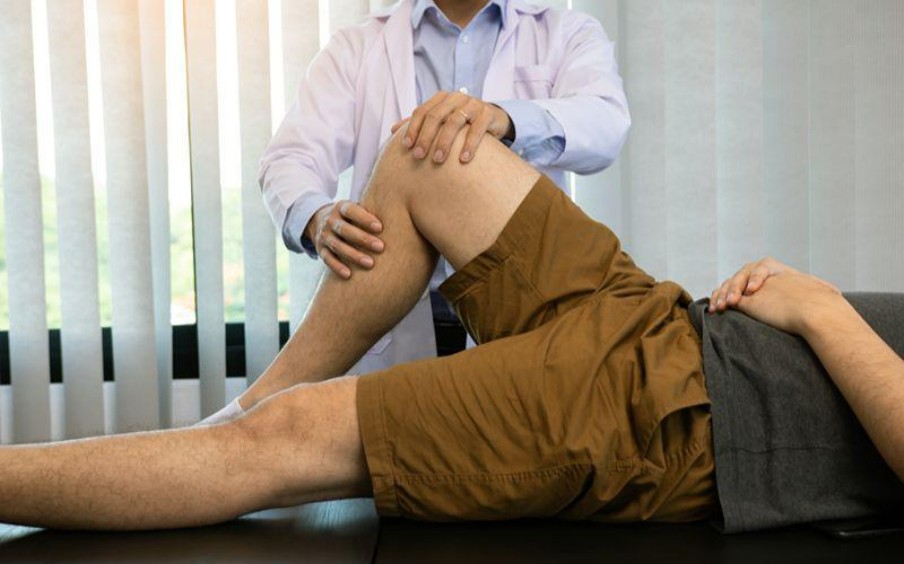
Knee pain is one of the most common reasons patients consult a knee doctor in the city-state, particularly when daily movement becomes limited. While age and activity level are often raised during consultations, they are not the only factors that determine whether knee replacement surgery is appropriate. What matters more is how knee damage affects function, pain control, and long-term joint stability.
Why Age Alone Is Not the Deciding Factor
Age is often misunderstood as a fixed threshold for surgery. In reality, knee replacement surgery in Singapore is performed on patients across a wide age range, from those in their 40s to those well into their 80s. Chronological age matters less than biological age, overall health, and joint condition. A patient in their late 60s with controlled medical conditions may be a better surgical candidate than a younger individual with poor bone quality or unmanaged systemic issues.
Knee doctors assess cartilage loss, alignment problems, ligament integrity, and the extent of arthritis rather than focusing solely on age. The aim is to restore function and reduce pain, not to operate based on a number. Delaying surgery purely due to age can sometimes result in worsening deformity, reduced mobility, and more complex surgical correction later.
Activity Level and Its Impact on Surgical Decisions
Activity level plays a significant role, but not in the way many patients expect. High-impact activities such as running, competitive sports, or heavy manual work do not automatically rule out surgery, nor do they guarantee better outcomes. Instead, knee doctors examine how knee pain restricts essential activities like walking, climbing stairs, standing from a seated position, or maintaining balance.
Patients who remain active despite pain may still benefit from knee replacement surgery if conservative treatments no longer provide relief. However, post-surgery expectations must be realistic. While modern implants are durable, they are not designed for repetitive high-impact loading. Activity modification is often part of long-term joint protection after surgery.
Pain Severity and Functional Limitation Matter More
Persistent pain that interferes with sleep, work, or daily routines is often a stronger indicator for surgery than age or activity level. Knee doctors focus on whether pain persists despite physiotherapy, medication, injections, or lifestyle adjustments. Functional decline, such as reduced walking distance or increasing reliance on walking aids, signals that the joint may no longer respond to non-surgical care.
An orthopaedic in Mount Elizabeth Novena will typically assess pain patterns, range of motion, joint stability, and imaging results together rather than in isolation. This comprehensive approach ensures that surgery is considered only when the joint damage aligns with symptoms.
The Role of Joint Damage and Imaging Findings
X-rays and, where necessary, MRI scans provide critical information on cartilage loss, bone changes, and joint alignment. Severe arthritis seen on imaging without significant pain may not require immediate surgery, while moderate changes combined with severe symptoms may justify intervention. Knee replacement surgery is recommended when structural damage matches the level of functional impairment.
Joint deformity, such as bow-legged or knock-kneed alignment, also influences timing. Progressive deformities can place strain on surrounding joints and muscles, affecting overall mobility and posture.
Managing Expectations Based on Lifestyle
Patients with physically demanding jobs or active lifestyles need clear guidance on post-surgical limitations. Knee doctors in Singapore emphasise that surgery aims to restore daily function and reduce pain, not to enhance athletic performance. Knowing these boundaries helps patients make informed decisions and reduces dissatisfaction after surgery.
Rehabilitation commitment is equally critical. Recovery depends on physiotherapy adherence, muscle conditioning, and gradual return to activity, regardless of age.
Conclusion
Age and activity level influence decision-making, but they are not the determining factors for knee replacement surgery. Pain severity, functional limitation, joint damage, and overall health carry greater weight in clinical assessment. Consulting an experienced knee doctor in Singapore or an orthopaedic surgeon allows patients to evaluate all relevant factors and decide on surgery based on evidence rather than assumptions.
Visit Specialist Orthopaedic Centre to properly determine whether non-surgical management or surgery is appropriate for you.
