
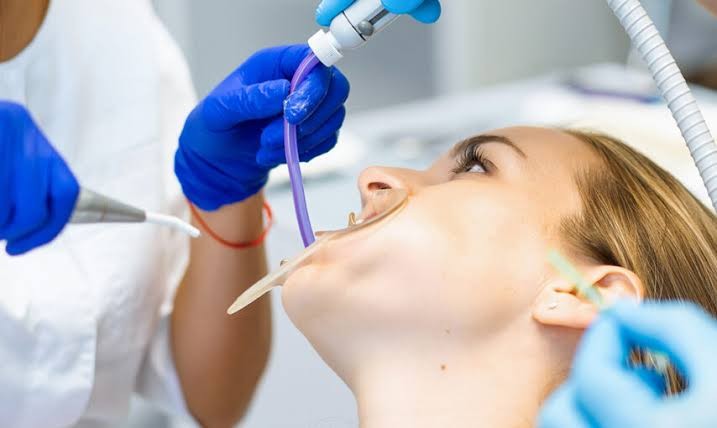
Most people associate facial health with appearance, but the face plays a much bigger role in everyday life. It helps us speak clearly, chew food, breathe comfortably, and express emotions. When an injury, disease, or structural problem affects the face or jaw, it can impact both function and confidence.
Maxillofacial care focuses on diagnosing and treating conditions that involve the face, jaw, mouth, and related structures. This field combines medical and dental expertise to address issues ranging from facial trauma to complex jaw disorders. Thanks to advances in modern healthcare, patients now have access to more precise treatments and improved recovery options than ever before.
Key Takeaways
- Maxillofacial care supports both facial function and overall well-being.
- Treatment may address injuries, jaw disorders, infections, and congenital conditions.
- Early diagnosis often leads to better outcomes.
- Modern techniques improve precision and recovery.
- Healthy habits can help maintain long-term facial and oral health.
Why Facial Health Deserves Attention
The face contains a network of bones, muscles, nerves, and joints that work together throughout the day. Simple actions such as smiling, speaking, swallowing, and chewing depend on these structures functioning properly.
When problems develop, they can affect daily comfort and quality of life. Conditions involving the jaw, facial bones, or oral tissues often require specialized evaluation and treatment. Healthcare professionals may use advanced imaging technology and Maxillofacial Surgery Instruments during procedures that require a high degree of accuracy around delicate facial structures.
Because facial anatomy is highly interconnected, even minor issues can sometimes create broader functional challenges if left untreated.
Common Conditions Managed Through Maxillofacial Care
Maxillofacial specialists treat a wide range of conditions that affect the head, face, mouth, and jaw.
Facial Trauma
Accidents, sports injuries, and falls can lead to fractures involving the jaw, cheekbones, or eye sockets. Prompt treatment helps restore function and supports proper healing. In some cases, early intervention can also reduce the risk of long-term complications.
Jaw Alignment Problems
Some people experience issues with jaw positioning that affect their bite, speech, or ability to chew comfortably. These concerns may develop naturally during growth or result from injury. Treatment plans vary depending on the severity of the condition.
Temporomandibular Joint (TMJ) Disorders
The temporomandibular joints connect the jaw to the skull. When these joints become irritated or dysfunctional, people may experience:
- Jaw pain
- Clicking sounds
- Difficulty opening the mouth
- Facial discomfort
- Headaches
Many cases respond well to conservative treatments, though some require specialized care.
Oral and Facial Infections
Infections involving the mouth, jaw, or facial tissues can spread quickly if not addressed. Early diagnosis and treatment help prevent more serious complications.
The Role of Early Diagnosis
Many facial and jaw conditions develop gradually. Patients often adapt to symptoms without realizing that treatment options are available.
Signs that deserve professional evaluation include:
- Persistent jaw pain
- Difficulty chewing
- Changes in bite alignment
- Facial swelling
- Limited jaw movement
- Numbness in the face
- Frequent headaches linked to jaw tension
Seeking care early can help identify the underlying cause before symptoms worsen.
Modern Approaches to Treatment
Maxillofacial care has evolved significantly in recent years. Today’s treatment strategies focus on preserving function while improving patient comfort and recovery.
Advanced Imaging Technology
Three-dimensional imaging allows healthcare teams to examine facial structures in greater detail. This level of precision supports more accurate diagnoses and treatment planning.
Minimally Invasive Techniques
Whenever possible, specialists use approaches that reduce disruption to surrounding tissues. Smaller incisions and targeted procedures often support faster healing and less postoperative discomfort.
Personalized Treatment Planning
Every patient’s anatomy and health history differ. Modern care emphasizes individualized treatment plans designed around specific needs and goals. This patient-centered approach often improves both functional and long-term outcomes.
Supporting Recovery and Long-Term Health
Treatment is only one part of the process. Recovery and ongoing care play an important role in maintaining results.
Patients may benefit from:
- Following oral hygiene recommendations
- Attending follow-up appointments
- Practicingjaw exerciseswhen recommended
- Maintaining a balanced diet
- Avoiding tobacco products
- Protecting the face during sports activities
These habits help support healing and reduce the risk of future complications.
Everyday Habits That Protect Facial Function
Preventive care often starts with simple daily choices. Good oral hygiene helps reduce infection risks. Wearing protective gear during contact sports can lower the likelihood of facial injuries. Regular dental visits may also identify developing issues before they become more serious.
People who experience recurring jaw discomfort should avoid ignoring symptoms. Early evaluation often prevents small problems from becoming larger concerns.
Final Thoughts
Maxillofacial care goes far beyond appearance. It helps preserve essential functions such as speaking, chewing, breathing, and facial expression. From treating injuries and jaw disorders to supporting long-term oral health, this specialized area of healthcare plays an important role in overall well-being.
Understanding common conditions, recognizing early warning signs, and seeking timely care can help individuals protect both facial health and daily quality of life for years to come.
