
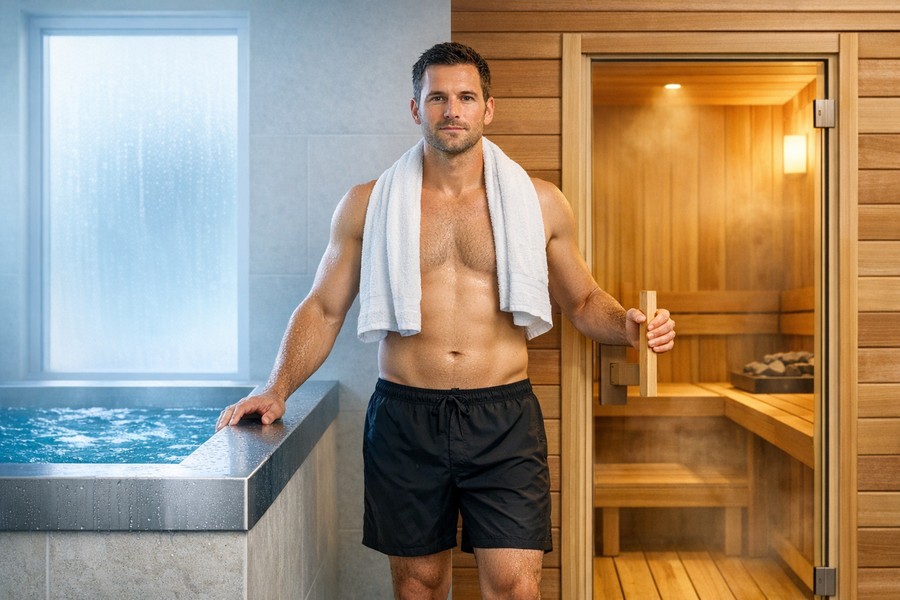
Cold plunges, ice baths, and sauna sessions have become some of the most talked-about recovery trends in modern wellness. Over the past few years, social media has been flooded with athletes, fitness influencers, and wellness enthusiasts sharing videos of freezing ice baths, hot sauna sessions, and contrast therapy routines.
What was once considered niche recovery culture has now become mainstream.
In 2026, more people are using hot and cold therapy as part of broader wellness routines focused on:
- Recovery
- Stress management
- Performance
- Mental resilience
- Longevity
- Overall wellbeing
As interest in recovery science continues growing, cold plunges and sauna therapy have become central topics within modern fitness and wellness culture.
What Is Cold Plunge Therapy?
Cold plunge therapy involves immersing the body in very cold water for short periods of time.
This may include:
- Ice baths
- Cold tubs
- Cold lakes
- Cryotherapy-style cold exposure
Temperatures are typically much colder than standard swimming pools, often ranging between 5–15°C depending on personal preference and experience level.
Cold exposure has become popular among:
- Athletes
- Fitness enthusiasts
- Wellness communities
- Recovery-focused individuals
Many people use cold plunges after workouts or as part of daily wellness routines.
Why Cold Plunges Became Popular
One reason cold plunges exploded in popularity is because they are often associated with:
- Mental toughness
- Recovery
- Reduced soreness
- Increased alertness
- Stress resilience
Cold water exposure creates an intense physical sensation that many individuals describe as mentally challenging but energizing.
Social media also played a major role in making cold plunges trendy because the visual content performs extremely well online.
Ice baths are often viewed as symbols of:
- Discipline
- Recovery culture
- High-performance lifestyles
This aligns strongly with modern wellness and self-improvement trends.
Cold Exposure and Recovery
One of the main reasons athletes use cold plunges is to support recovery after intense training.
Cold exposure may help:
- Reduce muscle soreness
- Lower inflammation
- Improve perceived recovery
- Support circulation
However, research surrounding cold therapy continues evolving.
Some experts believe cold exposure may temporarily reduce inflammation and soreness after exercise, while others suggest excessive use immediately after strength training could potentially interfere with certain muscle-building adaptations.
Because of this, many people now use cold therapy strategically rather than excessively.
Mental Resilience and Cold Exposure
Another major reason people practice cold plunging is the mental challenge involved.
Cold water immersion forces the body and mind to remain calm under stress.
Many individuals believe this may help improve:
- Stress tolerance
- Emotional control
- Mental resilience
- Focus
- Discipline
Breathing control is often emphasized during cold exposure because remaining calm helps regulate the body’s stress response.
This connection between physical discomfort and mental control is one reason cold plunges became closely associated with modern self-improvement culture.
What Is Sauna Therapy?
Sauna therapy involves exposing the body to high heat for controlled periods of time.
Traditional saunas may use:
- Dry heat
- Steam
- Infrared technology
Saunas have been used for centuries in various cultures for relaxation, recovery, and overall wellness.
Today, sauna sessions are commonly associated with:
- Recovery
- Stress reduction
- Relaxation
- Cardiovascular wellness
- Muscle recovery
Many athletes and wellness enthusiasts now use saunas regularly as part of recovery-focused lifestyles.
Sauna Benefits and Wellness
Research suggests sauna use may support:
- Circulation
- Relaxation
- Recovery
- Stress reduction
- Cardiovascular function
Many people report feeling:
- Calmer
- More relaxed
- Mentally refreshed
after sauna sessions.
Heat exposure may also help relax muscles and improve blood flow, which is one reason saunas are commonly used after exercise.
Sauna therapy has become especially popular within longevity and wellness communities focused on sustainable health habits.
Contrast Therapy: Hot and Cold Together
Contrast therapy refers to alternating between hot and cold exposure.
This may involve:
- Sauna followed by cold plunge
- Hot shower followed by cold shower
- Steam room and ice bath combinations
Many people enjoy contrast therapy because of the intense physical sensation and perceived recovery benefits.
This style of recovery has become highly popular across:
- Fitness influencers
- Wellness podcasts
- Biohacking communities
- Sports recovery culture
Although research continues developing, many individuals use contrast therapy because it helps them feel refreshed and mentally energized.
Recovery Culture and Modern Fitness
The popularity of cold plunges and saunas reflects a much larger shift happening in modern fitness.
People increasingly prioritize:
- Recovery
- Longevity
- Nervous system health
- Stress reduction
- Sustainable performance
Rather than constantly chasing extreme workout intensity, many individuals now focus on balancing training with proper recovery strategies.
This is one reason recovery technology and wellness practices have exploded in popularity over the last few years.
Sleep, Stress, and Recovery
Both heat and cold exposure are often connected with stress management and recovery routines.
Modern lifestyles expose many people to:
- Chronic stress
- Poor sleep
- Mental fatigue
- Constant stimulation
Recovery-focused wellness habits such as:
- Sauna sessions
- Walking
- Breathwork
- Mobility work
- Cold exposure
are increasingly used to support overall wellbeing and relaxation.
As mental health and nervous system recovery become larger wellness topics, recovery practices continue growing in popularity.
Recovery Science and Performance Culture
Modern fitness culture increasingly combines training with broader conversations surrounding recovery optimization, body composition, and performance support.
Within certain strength and bodybuilding communities, prohormones are also commonly discussed in relation to muscle development, recovery, and performance-focused training. For readers interested in learning more about the science, risks, and research surrounding these compounds, this educational prohormone research guide provides a deeper overview of how prohormones are typically discussed within modern fitness culture.
Because the content focuses on education and research rather than aggressive product promotion, it integrates naturally into broader conversations surrounding recovery and performance optimization.
Are Cold Plunges and Saunas Necessary?
Despite their popularity, cold plunges and sauna therapy are not mandatory for good health or fitness progress.
Basic recovery habits such as:
- Sleep
- Nutrition
- Hydration
- Stress management
- Consistent exercise
remain far more important overall.
However, many people enjoy hot and cold therapy because:
- It creates structured recovery routines
- It promotes relaxation
- It may improve recovery perception
- It supports mental wellbeing
For some individuals, the psychological benefits alone make these practices worthwhile.
The Influence of Social Media and Wellness Influencers
Social media has significantly accelerated the popularity of recovery culture.
Cold plunges and saunas look visually dramatic, which makes them highly shareable online.
Fitness influencers often associate these routines with:
- Discipline
- High performance
- Biohacking
- Elite athlete lifestyles
As a result, recovery culture has become increasingly aspirational within wellness communities.
The Future of Recovery Trends
Cold plunges and sauna therapy will likely remain highly popular as recovery continues becoming a central focus within modern health culture.
People increasingly want:
- Better recovery
- Lower stress
- Improved sleep
- Sustainable performance
- Long-term wellness
Recovery is no longer viewed as optional. It is becoming one of the foundations of modern fitness and healthy living.
Whether through sauna sessions, cold exposure, mobility work, or sleep optimization, modern wellness culture increasingly recognizes that long-term health depends not only on how hard people train — but also on how well they recover.
